
Blog
Possible future use of Artificial Intelligence (AI) to support sports-related concussion care
A recent article from The Conversation explored how AI could support doctors and other healthcare professionals throughout the concussion management process.
Early symptom-targeted multidisciplinary care for persisting symptoms in youth
In a recent clinical trial, researchers Vicki Anderson et al. assessed a symptom-targeted multidisciplinary treatment for persisting post-concussion symptoms in youth.
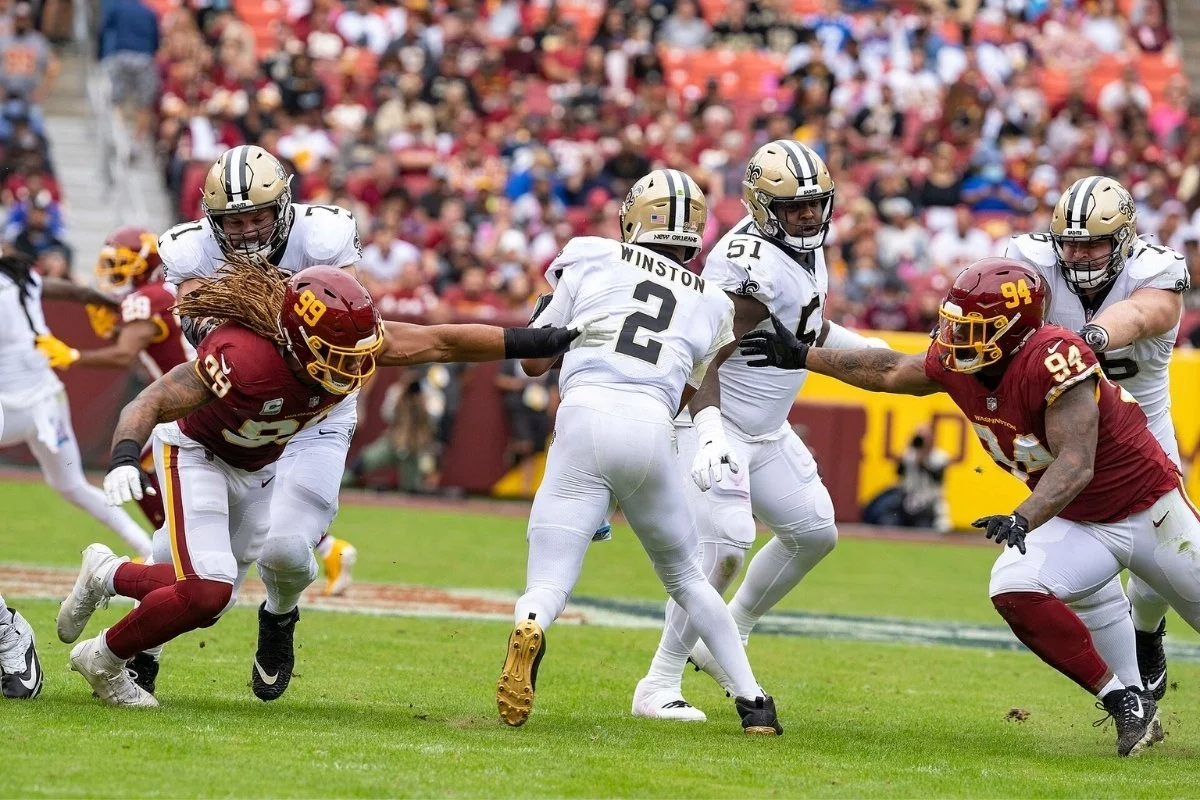
1 in 4 NFL players diagnosed with CTE after death
A study published this Tuesday in the British Medical Journal has triggered a wave of media coverage and conversation.
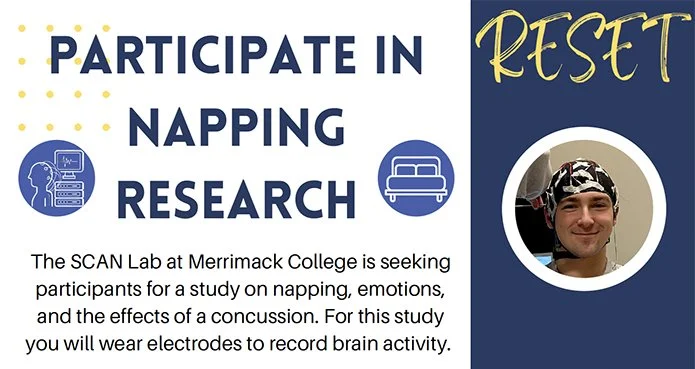
Call for study participants: Merrimack College
This current NIH-funded study investigates whether extending sleep can help the brain’s ability to recover and support emotional regulation. Study participants will complete two visits at Merrimack College in North Andover, MA.
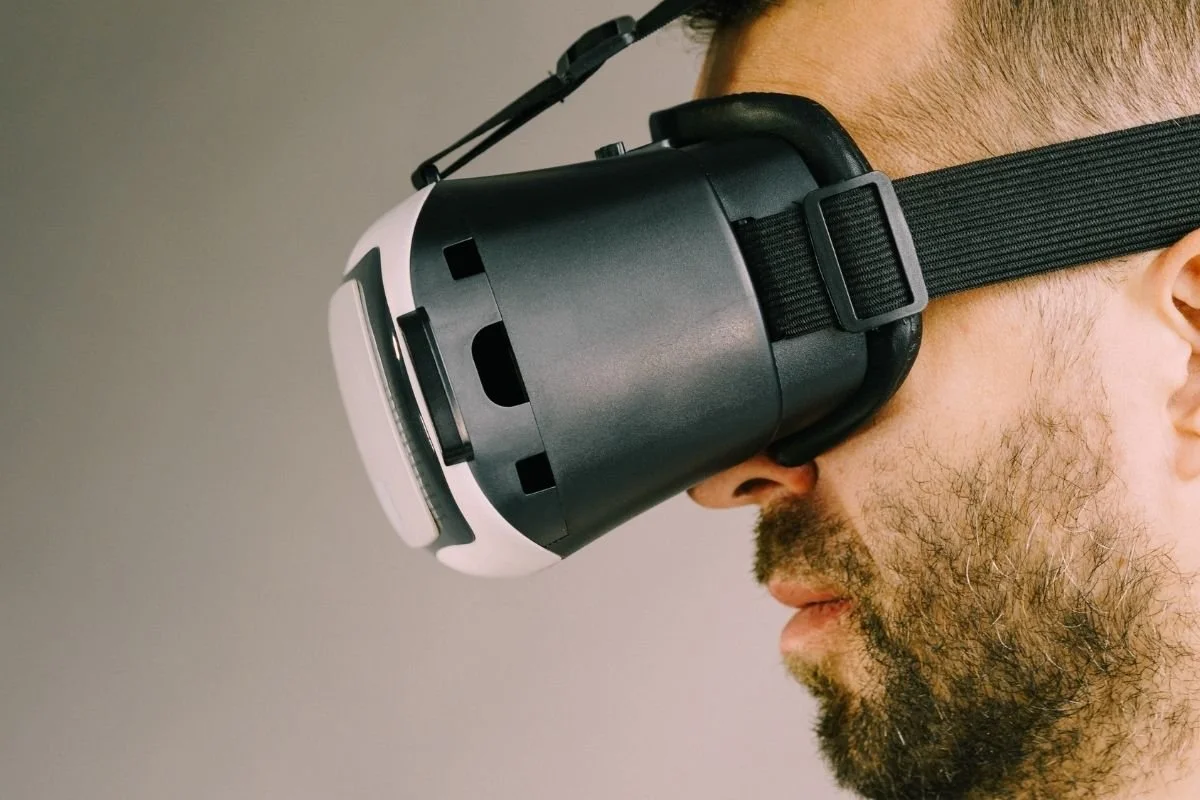
Novel VR intervention improves prospective memory and eye focus
A study found that a novel virtual reality (VR) program improved prospective memory and eye focus for traumatic brain injury (TBI) patients.
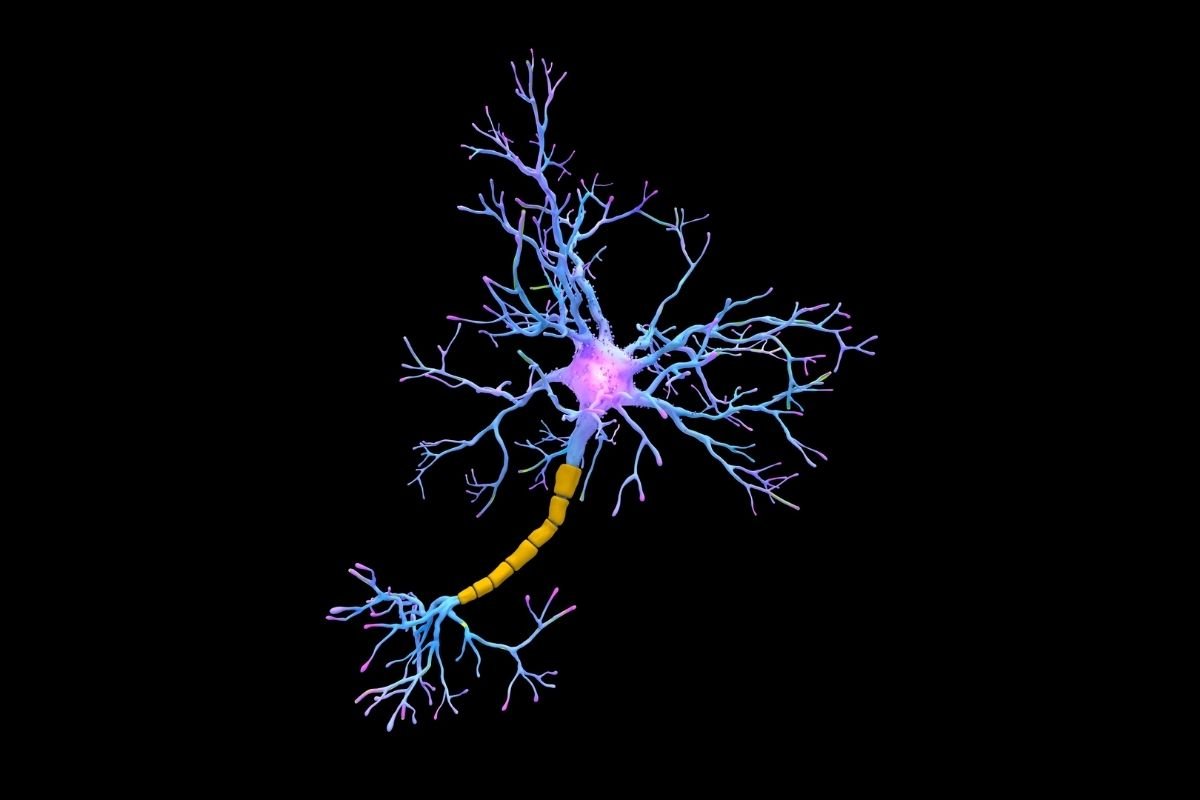
Myelin may be a therapeutic target for TBI
A recent review published in Occupational Diseases and Environmental Medicine proposes that myelin, a fatty coating around nerve fibers, is a central player in many brain conditions.
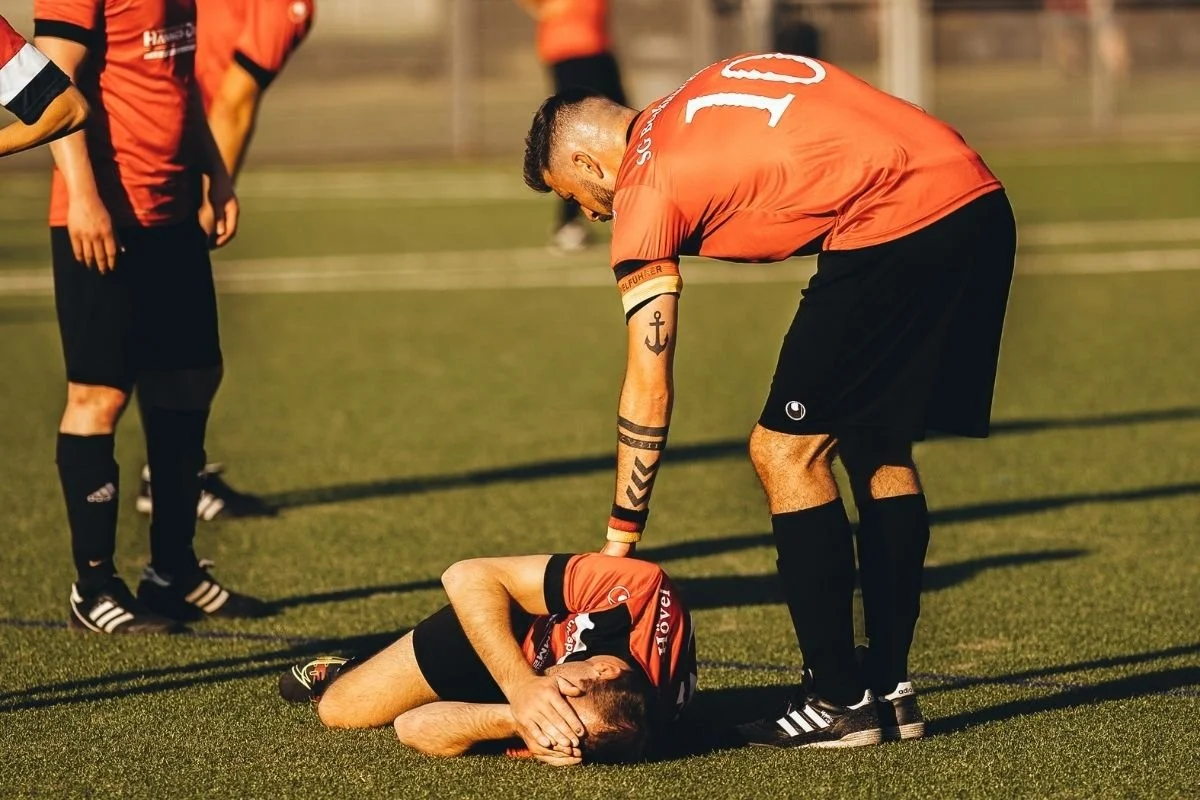
Soccer-specific on-pitch concussion assessment: international consensus recommendations
Experts across 57 FIFA member associations recently developed a soccer-specific on-pitch concussion assessment protocol, called FOCUS.
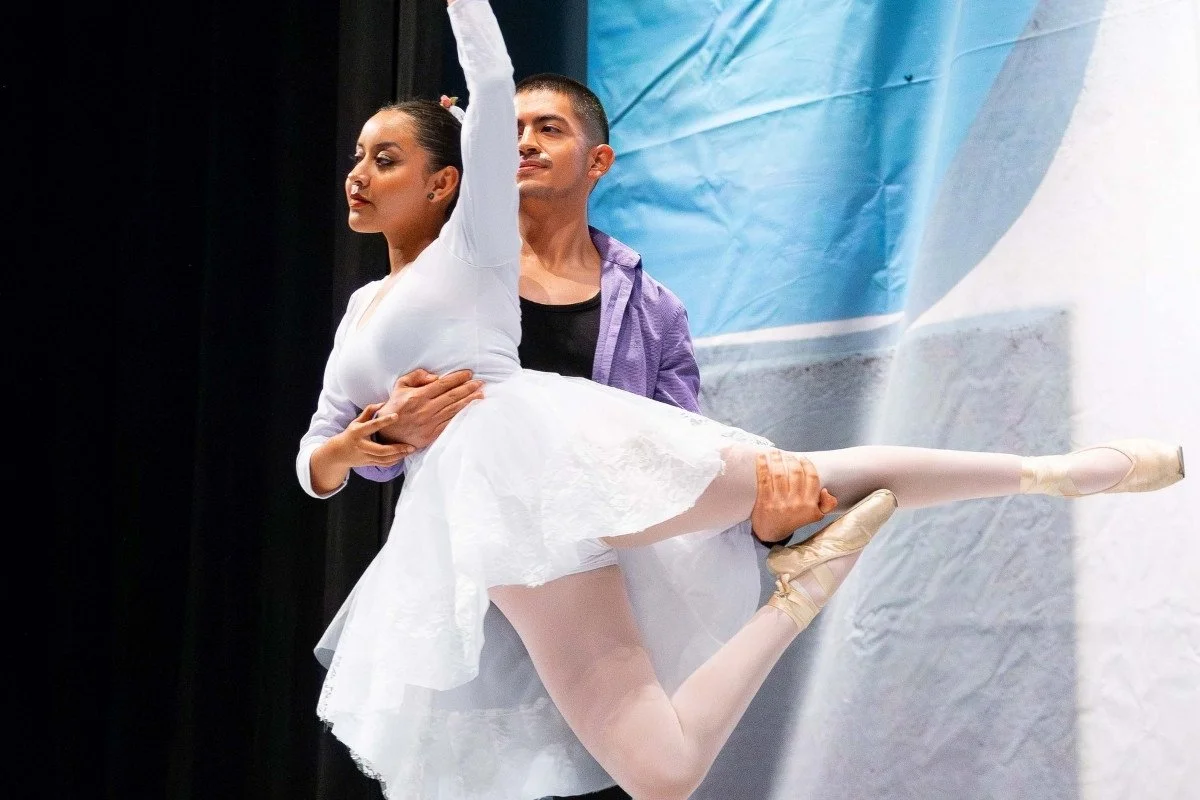
Expert Voices: Alyssa Memmini, Ph.D., LAT, ATC on performing artists' Return-to-Stage after concussion
Alyssa Memmini, a member of Concussion Alliance’s Expert Advisory Board, recently led a team that developed a return-to-the-stage protocol for collegiate performing artists after a concussion.
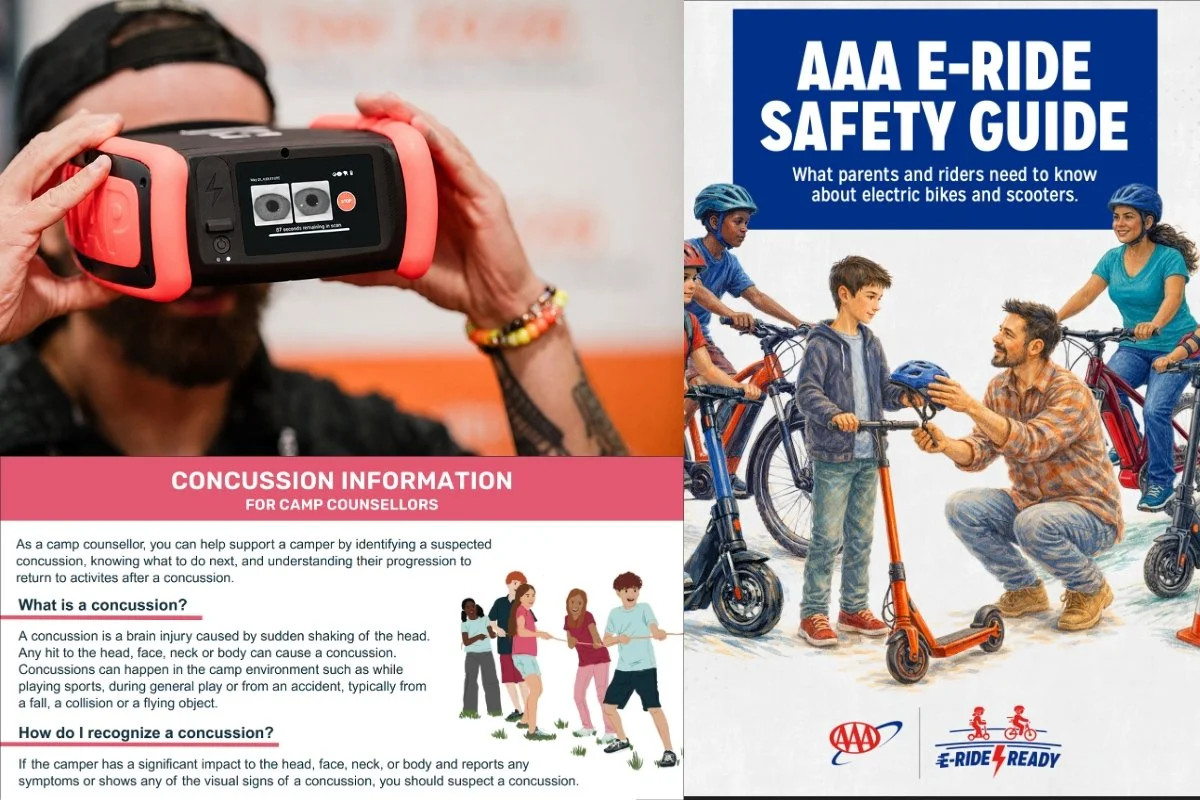
Summer Concussion Tools
We’ve curated a list of concussion tools you can use to decrease concussion risk, support concussion diagnosis, and navigate return-to-activity after concussion.
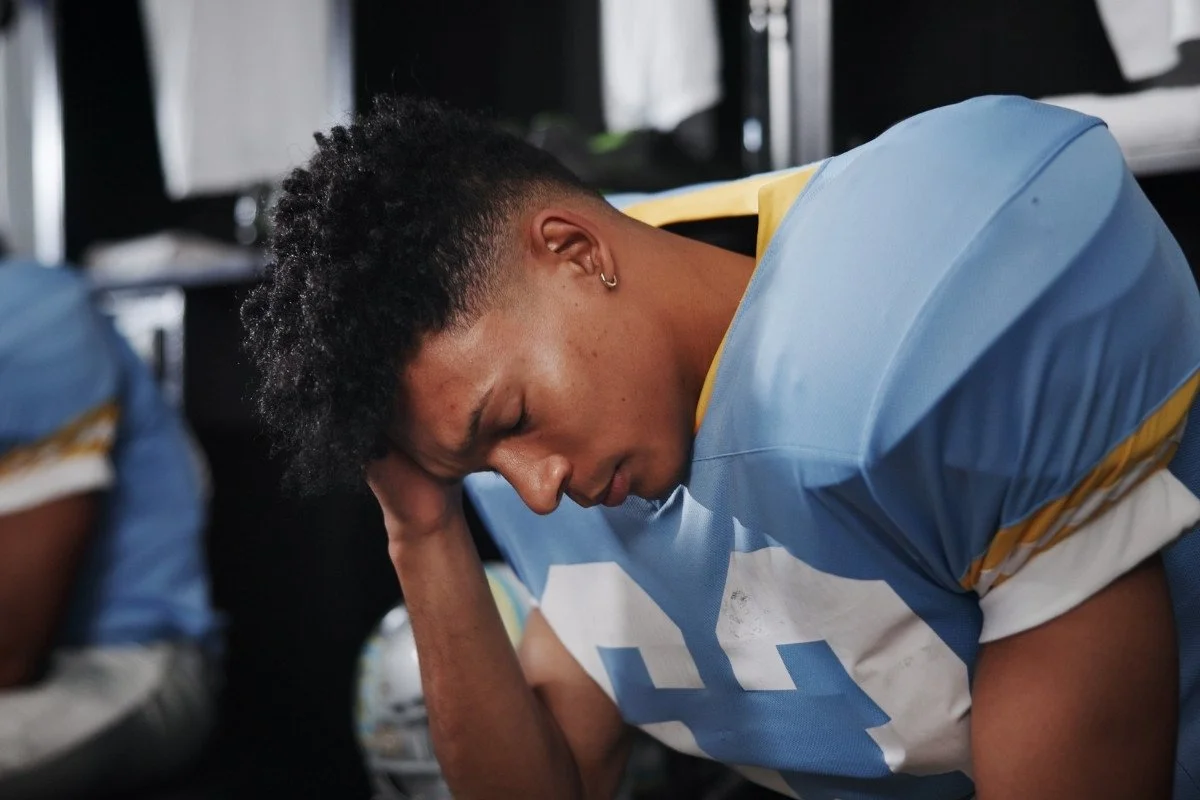
Concussion education and lack of concussion history are linked with increased concussion reporting
Factors associated with concussion reporting in high school athletes.
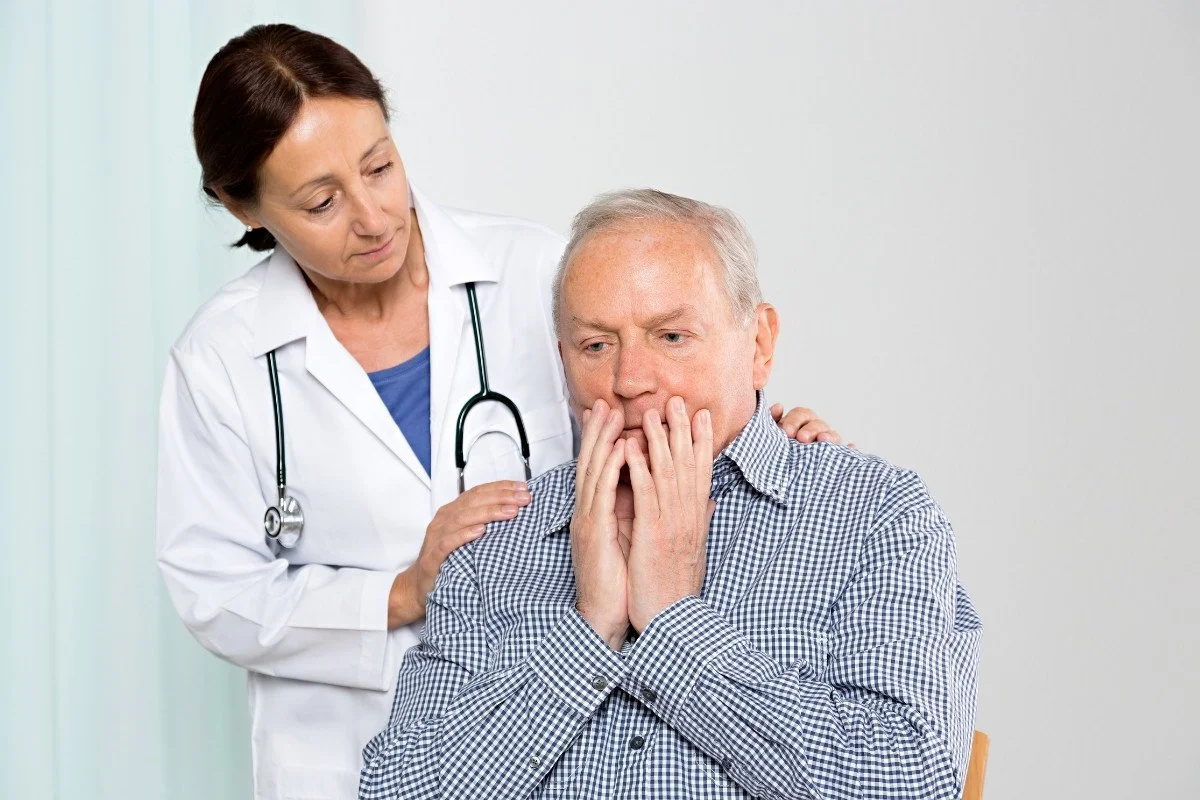
A potential mild traumatic brain injury biomarker for older adults: Glial Fibrillary Acidic Protein
Researchers recently found that plasma glial fibrillary acidic protein (GFAP), a blood-based biomarker, can act as an objective indicator of mild traumatic brain injury in older adults.

Call for Study Participants
Graduate student Abigail Mosteller is looking for participants for her graduate thesis under Dr. Mamlekar at Misericordia University.
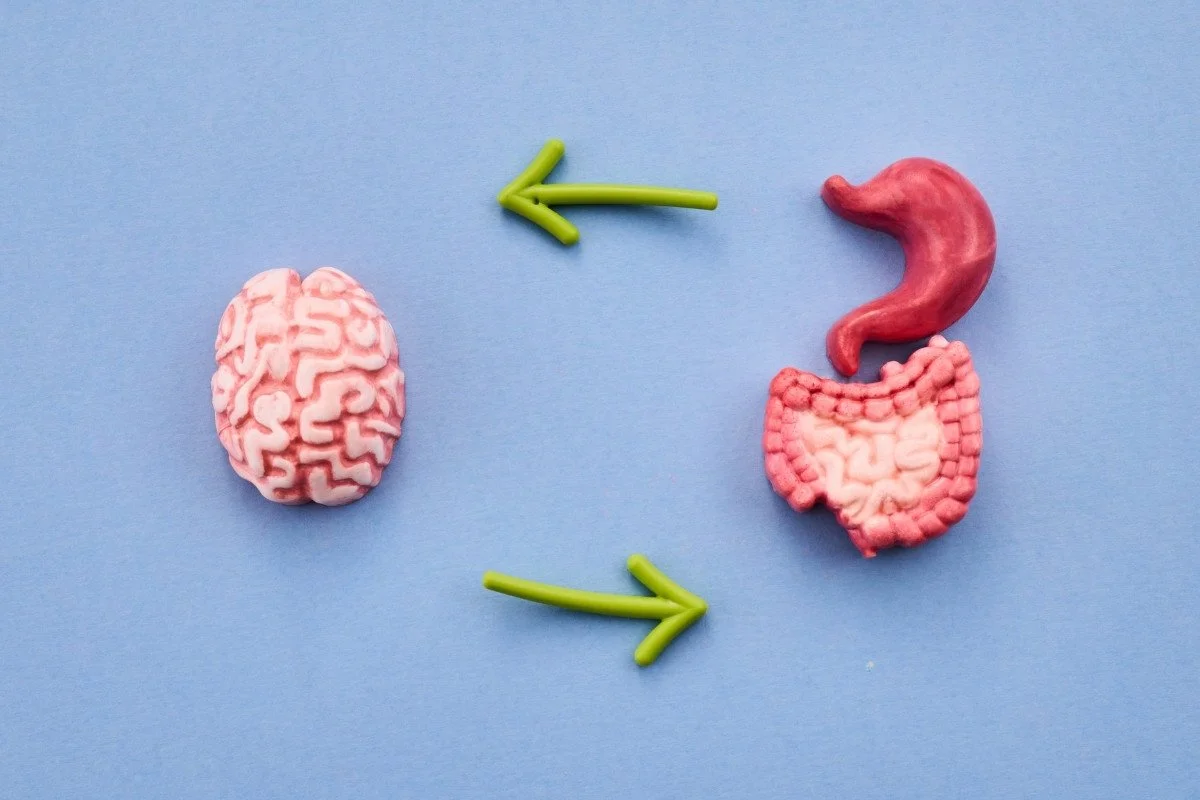
The silent effect of repetitive non-concussive head impacts on the gut microbiome
A recent research study by Pelland and colleagues published in PLOS One provided the first evidence linking non-concussive head impacts (NHIs) to inflammatory changes in the gut microbiome in collegiate football players.

Do AI Chatbots give good concussion advice?
Are AI chatbots ready to be used for concussion advice? Based on a recent study published in Scientific Reports, not really.
Diagnosing and managing concussion patients: Four free sessions for healthcare providers
We recommend this free, four-session online medical education for healthcare providers, on diagnosing and managing concussion patients.

Laurel Schmidt on her experiment with GLP-1s for persisting symptoms after a concussion
Malayka Gormally, Co-founder and CEO, interviews Laurel Schmidt, featured patient in a recent New York Times article, The Great Ozempic Experiment.

Alex Smith, former NFL star quarterback: Concussions, the threat to football, and a potential concussion medication
Alex talked about his experiences with concussions, how they impacted his NFL career, and the choices he now has to make as a parent. Alex is on the board of Oxeia Pharmaceuticals, which is developing a medication to treat persistent post-concussion symptoms and is promoting their fundraising to launch a phase 2b clinical trial.
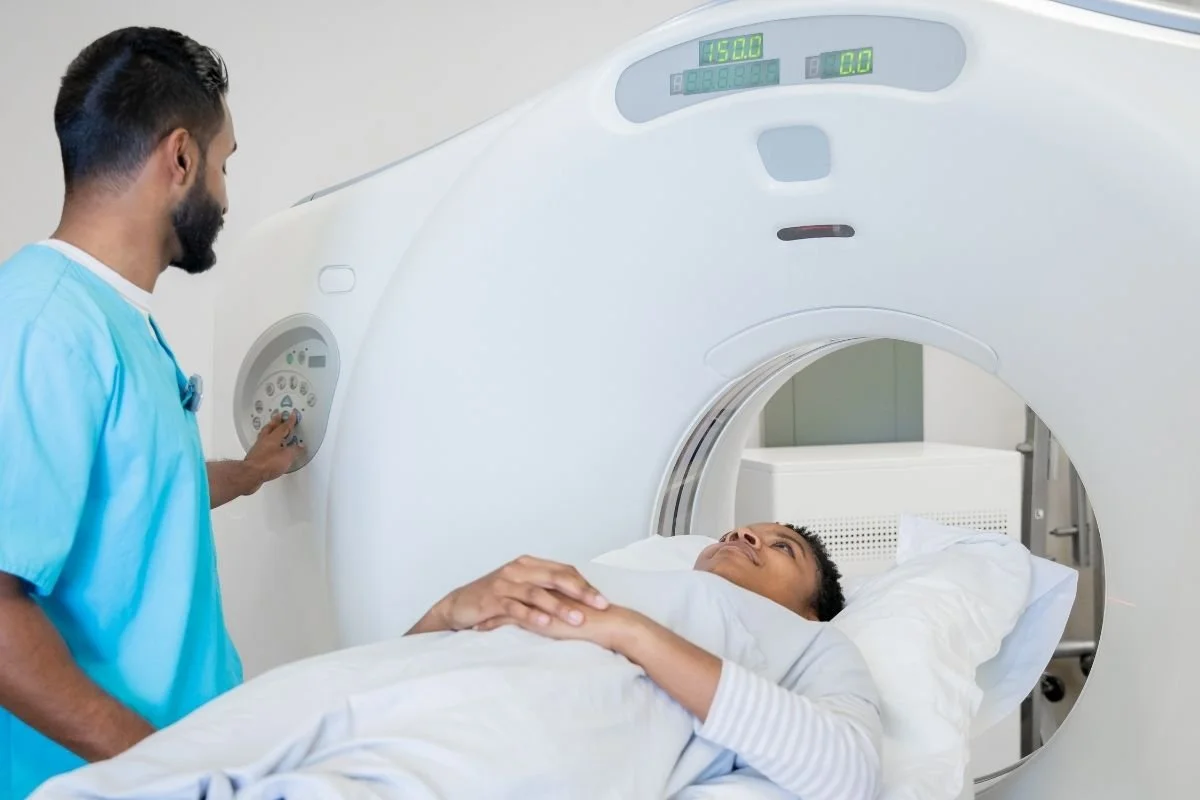
The case for more intentional CT scan use in mTBI diagnosis
According to an editorial published in Cureus, computed tomography (CT) scans should be an available tool to support mild traumatic brain injury (mTBI) diagnosis, but should not be “the endpoint of thinking.”
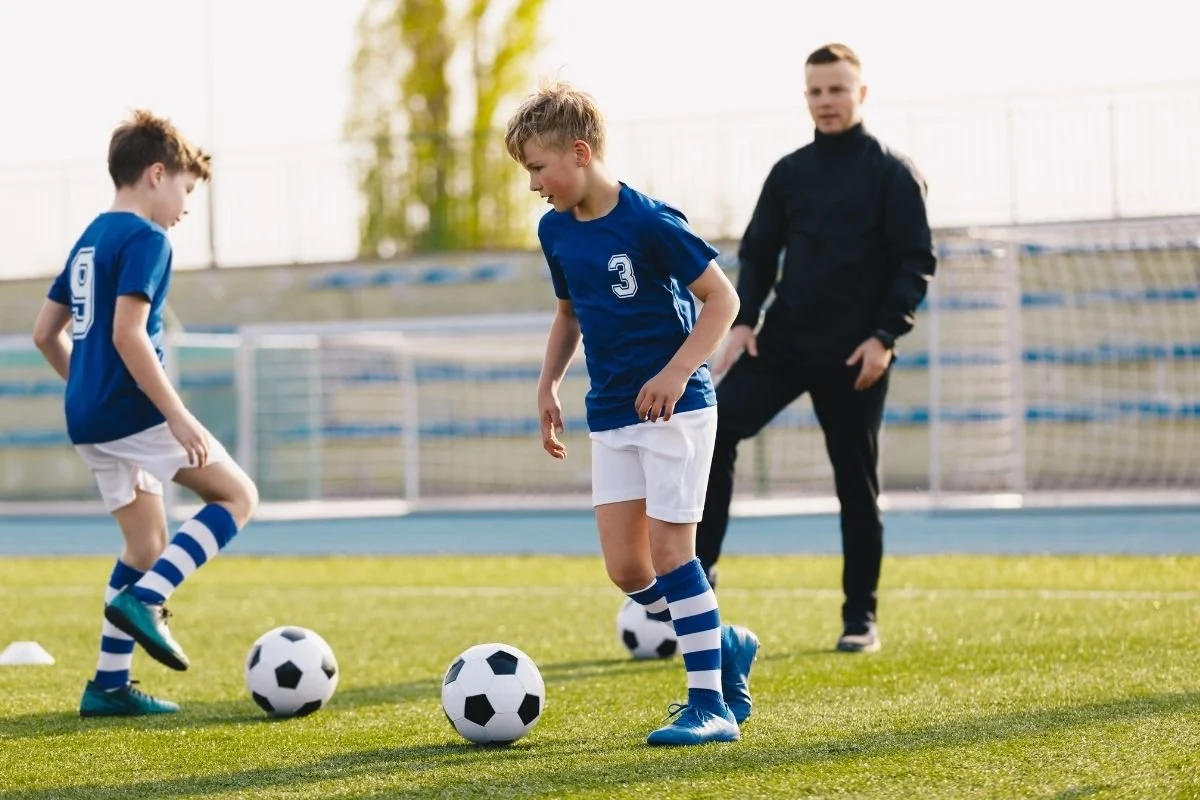
A new, practical concussion guide for parents and coaches
The Archives of Physical Medicine and Rehabilitation has published a concussion recognition guide for parents and coaches that includes information on recognizing concussions and practical recovery advice.

Characteristics and symptoms of concussion that indicate increased likelihood of persisting symptoms
For adults who presented with a concussion at the emergency department (ED) at a level 1 trauma center, certain characteristics and symptoms were significantly associated with an increased risk of persisting symptoms after concussion (PSaC) at one month post-injury.